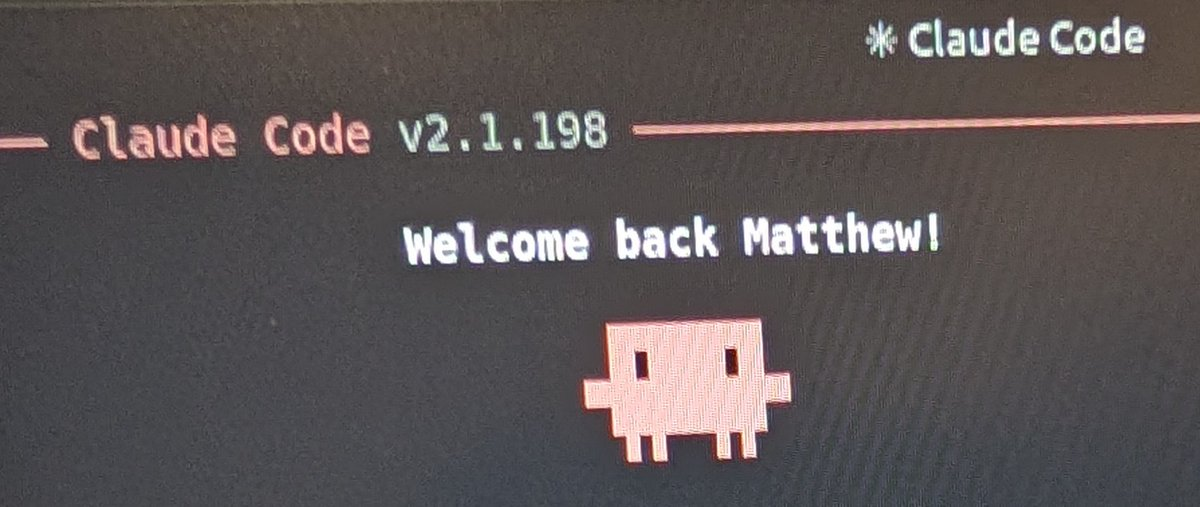
The morning it started — July 2nd, 2026. Many images in this piece are a real photo or screenshot from the month described.
One month ago, I didn’t have a second brain. I had a folder of notes, a habit of pasting things into a chat window, and an idea I’d read from two strangers on X. Today I have an AI agent that maintains a real, working knowledge base on its own — reads my notes, fixes what’s broken, catches its own mistakes, and has shipped four live websites along the way. It seems like a blur right now, but here’s a summary of what this first month actually looked like: the real wins and the real mistakes, in the order they happened.
This piece itself is proof of the same thing it’s describing: this whole article was written through the system, then reviewed and revised by dictating notes to Grok during my drive to work. A month ago, that would have been impossible for me. I’m not sure how long this will keep going; it’s mostly a hobby project, but the possibilities are endless.
Where it started
Two posts, eight days apart, are the actual reason this exists. On June 20th, someone I follow on X posted about building an AI second brain with Claude and Obsidian that “gets smarter every day.” On June 28th, another post described Andrej Karpathy’s vision of an AI fully automating a note-taking app as its own backend maintainer. Neither post was mine. I just read them and decided to actually try it.
By June 29th, the vault existed — but only as a manual, copy-paste workflow. No AI had direct access to a single file yet. That came four days later.
Week 1: getting the foundation right (July 2-8)
The first real session found and fixed a bug that had silently broken 63 links across the vault — a .md.md double-extension typo nobody had noticed. That’s a fitting start: most of this month wasn’t glamorous feature-building; it was making sure the basic thing worked and stayed working.
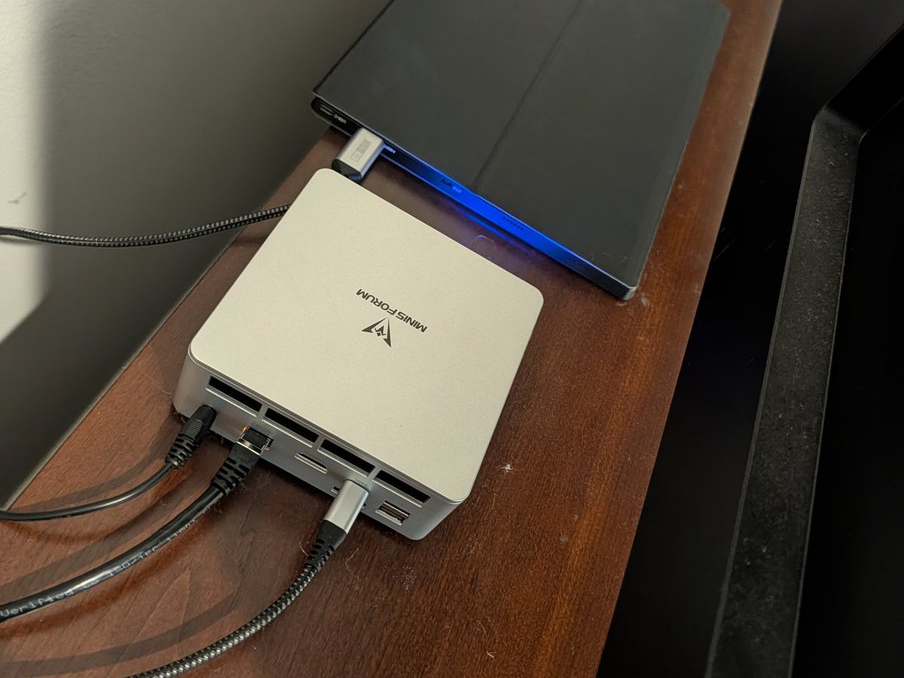
The whole thing runs on this — a mini PC on a desk, photographed the day the vault first came up on July 3rd.
By July 3rd, encrypted offsite backups were live. By July 4th, the AI agent could run in isolated, parallel sessions instead of one at a time — and immediately hit its first real collision: two sessions drafted the same status note at the same time, outside any isolation. That incident is the reason session isolation got taken seriously instead of assumed.
July 5th brought a real power outage that knocked out every active session. The troubleshooting that followed traced the actual cause not to the outage itself, but to my phone’s battery optimization silently killing the background connections that kept everything linked. A UPS got added that same night.
By July 7th, Remote Control — the way I actually talk to this system from my phone — was running as a proper background service instead of a fragile terminal window. The session doing that cutover accidentally cut off its own connection mid-command. A second, concurrent session recovered it with no data lost. That near-miss is also where the first real guardrail got written: never restart a connectivity service without asking first, because the session you’d sever might be the one you’re using to fix it.
The same week, all eleven installments of a planned tutorial series got drafted in a single day, and the first one published on X on July 7th — the very first piece of content this project ever put out publicly. Not all of those installments have made it out into the world yet — some are still sitting as drafts. Now that ai.ae4jc.com exists, I plan to publish the rest of them there instead, sidestepping the API quirks and quota limits that come with posting long-form pieces directly on X.
By July 8th, the vault had organized itself into departments — Finance, IT, Defense, and others — modeled on the same decentralized structure I’d seen work in my actual manufacturing career. Not because it needed to look impressive. Because a growing set of real responsibilities needed somewhere to live.
Week 2: real growth, and the first live affiliate link (July 9-15)
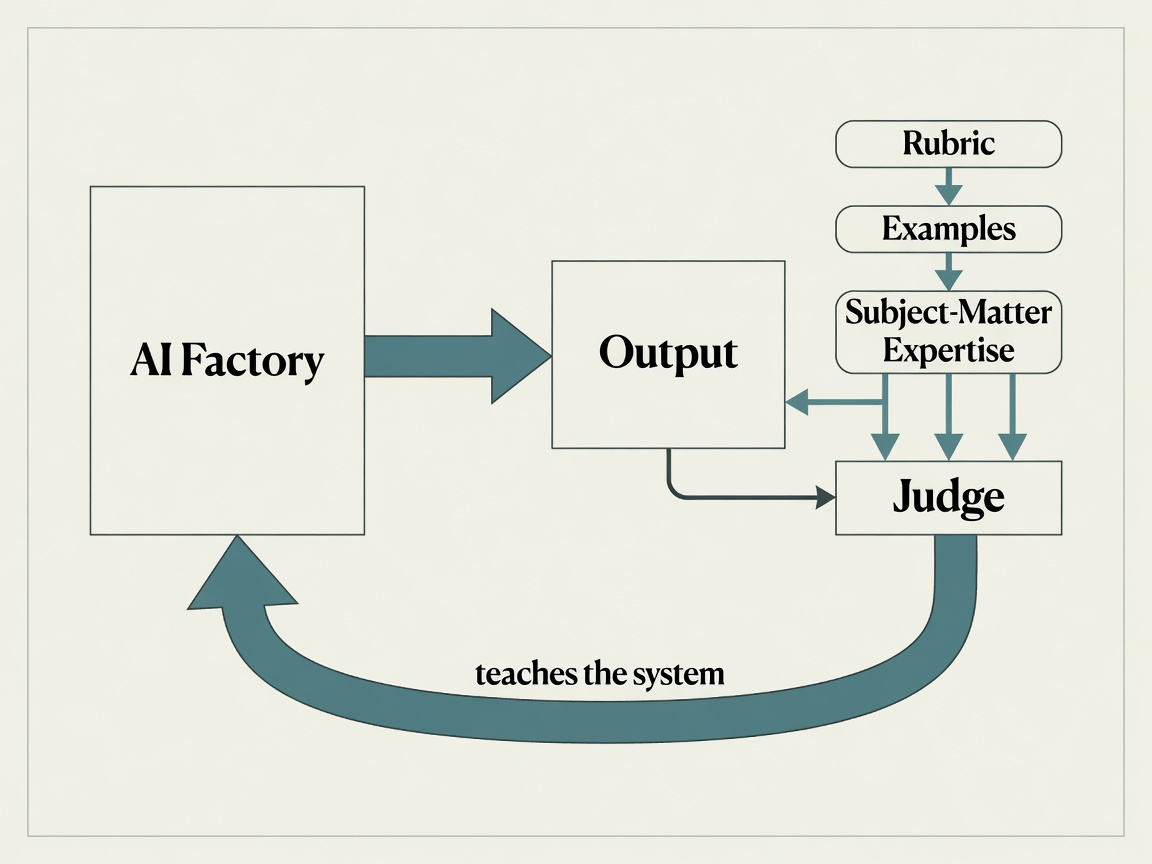
This week is where the project stopped being just infrastructure and started producing something — and where the why behind it all actually took shape. Around this point, I realized the whole system could be organized like a factory, and started pulling in real patterns from my manufacturing background to structure it. I also already had a backlog of stalled ideas — things I’d wanted to build or write for years but never had a place to put — that finally had somewhere to live. That backlog is what produced the AE4JC website, and later AdBlob.
The first of the new-deploy sites, solvetheuniverse.com — a physics theory site I’ve been working to grow for years — went live on a real domain with HTTPS on July 10th. That launch has its own real backstory worth telling straight: the site had been living on an old Blogger blog that Google suddenly and unexpectedly locked, without warning. As of this writing, I still haven’t gotten that original account back — 10 days in, still no word from Google, and as of day 18, still nothing. But this new second brain system saved the whole thing and made it better than before:
What went live on July 10th wasn’t the old blog recovered — it was a rebuild, from scratch, on new infrastructure, using content pulled back from the Wayback Machine and an old Google Drive export. The site is back and better than before. The original account is still locked.
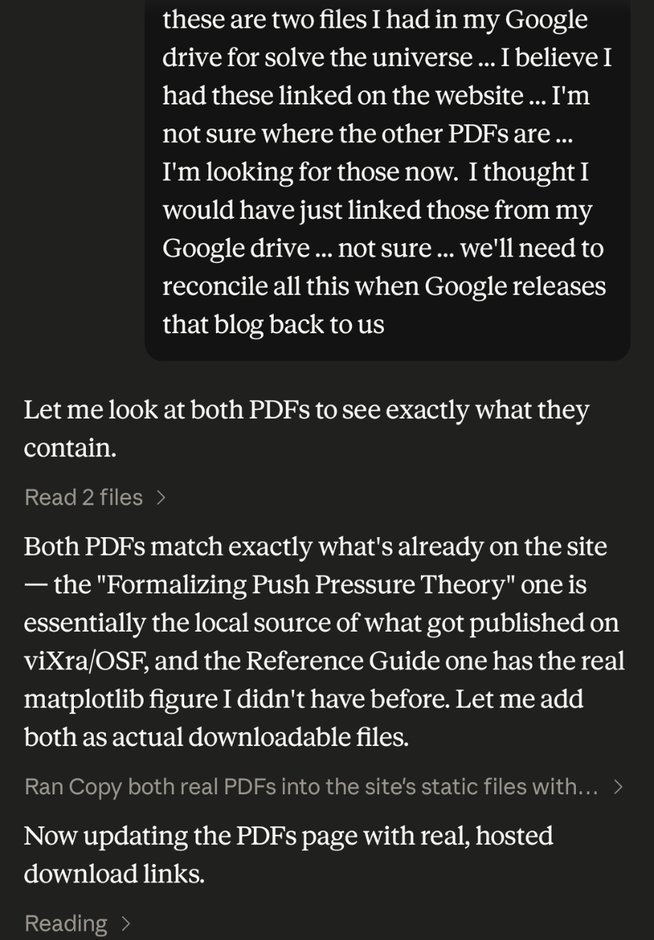
The rebuild in progress on July 11th, watched from my phone — recovering the original PDFs and wiring them back in as real downloads.
The same day the site relaunched, I found that two $6-a-month servers running this infrastructure had never actually been counted in the cost total. Small thing, but it’s the kind of honesty check that had to become a habit: if the AI is tracking real money, it has to track all of it, not just what’s convenient.
July 11th, the second new-deploy site went live: ae4jc.com, a site about ham radio, built from my real QRZ.com callsign bio. For that, I used the second brain system to auto-compile an inventory of my ham radio gear. We did this by pulling it from my actual Amazon order history and years of X posts — not guessed at. The inventory grew from 31 items to over 100 over the days that followed.
July 13th is the day the first affiliate link went live (figured it was time to try and recoup some of the expense). That first one was an Amazon Associates link on the mini-PC that runs this whole system. No sale yet. But the mechanism is real.
By July 15th, a strategic review led me to take succession planning more seriously. That thinking has since grown beyond just “what happens to this if something happens to me” into a broader question of security and longevity for the whole system. The reason costing got tracked at all is that there’s real potential to earn money with something like this, so the infrastructure needed to be ready if that path ever really opens up — but right now, the primary purpose is still personal: getting a real backlog of things I want to finish out into the world before I die. (I’m not in a hurry to go anywhere. Just being practical about the backlog.)
Week 3: the biggest mistake, and what came after it (July 16-22)
Every account of a month like this has to include the worst part, not just the best part. Here’s mine.
On July 17th, pairing a new Windows laptop to the vault’s file-sync setup accepted a folder share that also held about 43 gigabytes of my own real personal backup data — nearly 80,000 files. The sync had already started pulling it toward the vault. What actually caught it was simple: the download was taking a long time, long enough that I stopped and asked why. A follow-up session found the pause had actually lapsed and one real vault note had already been deleted in the confusion — recovered from git history, the same version control that protects a real codebase. Everything got cleaned up afterward.
That incident is directly why two new standing practices exist now: a checklist system for anything that could go wrong the same way twice, and a simple, repeatable habit I’ve started calling “good, better, best” — when something bugs you mid-task, fix it on the spot instead of working around it and hoping it doesn’t happen again.
The next morning, a second near-miss with almost the identical shape happened: a routine cleanup pass misread a permanent piece of infrastructure as safe to delete, and it silently broke a scheduled process for a full week before anyone caught it. Same lesson, learned twice, close together. That’s not a flattering pattern to admit to — but it’s the accurate one.
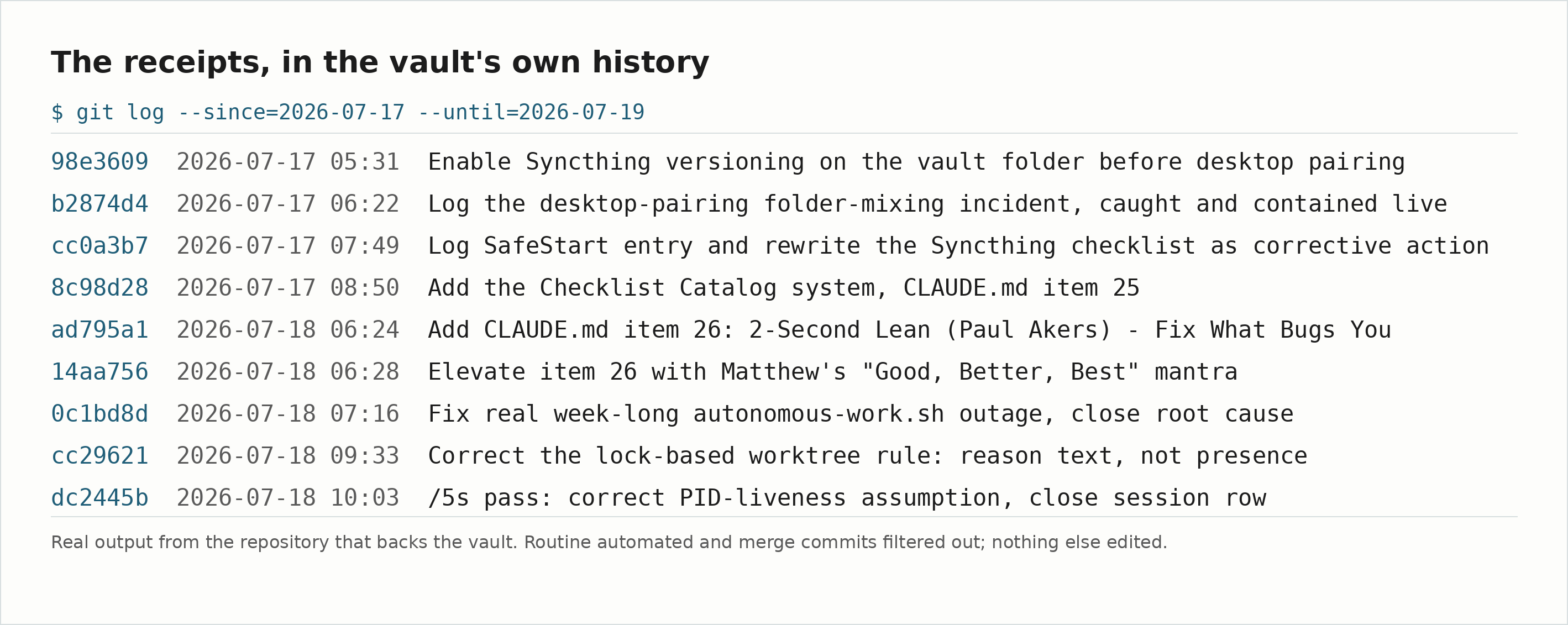
Both incidents, as the system recorded them at the time — the same git history that got the deleted note back. Nothing here was written for this article.
One of the biggest ongoing challenges isn’t any single incident — it’s the standing work of reviewing everything that gets uploaded into this system for security issues, copyright issues, or anything else that could cause real harm. A core operating principle throughout has been trying to do everything by the book, so nobody gets hurt by any of this.
The back half of this week was steadier: a real external security test on the server hosting all of this, findings fixed and re-verified; the original handwritten notes behind the physics theory site — some dating back to 2002 — recovered from an old Google Drive export; and, on July 22nd alone, a search box, a new visuals section, and 28 real scientist profiles added to that same site.
Week 4: a fourth site, and the operations finally catching up (July 23-29)
By July 23rd, a fourth public site was live — engmgt.ae4jc.com, a small trial for engineering and management writing, built at zero added monthly cost since it just rides on infrastructure that already existed. The same day, the first mechanism that reads my actual email went live, catching two of its own real bugs on its first run before I ever saw a problem. Reading email was only half the realization, though — somewhere in this stretch it became clear the system needs to both send and receive email on its own, not just watch an inbox.
Somewhere in this same period, the system also got connected to GitHub for the first time — a real, public presence, not just internal infrastructure. All along the way, this has really been a process of learning which APIs are actually available and where the hard roadblocks sit. That’s turning into its own separate piece, still in progress, specifically about the roadblocks and the APIs — this article is staying a plain overview on purpose; the deeper technical detail belongs there, to be published on ai.ae4jc.com, not buried in this single article.
I’m also still refining how to describe this whole thing to people who aren’t already following along. “Second brain” is still the clearest label I’ve found so far.
In the last week of the month, the operational side kept maturing as we built. A capacity ceiling got hit and fixed with a real dashboard and monitoring tool — three of its own bugs caught and fixed in the process of building it. An automated watchdog that was supposed to catch stuck sessions turned out to have silently never fired once in over a week, root-caused and fixed, then immediately used to catch seven real phantom sessions still running. A published article got checked against the vault’s own logged history and caught three real factual mistakes before anyone outside ever saw them — which is exactly why a formal publishing checklist exists now, across every site.
And on July 28th, an adversarial review process — built specifically to catch mistakes a friendlier read would miss — found a genuine physics error in a paper about to publish. It got rewritten, not patched, before it ever went live.
Where this actually stands
Four public sites, live. A publishing process that’s caught three real factual mistakes before they shipped, not after. A security incident that could have quietly leaked 43 gigabytes of personal data, caught by a simple question at the right moment. An automated watchdog that silently failed for over a week, found and fixed. Real affiliate mechanisms live and working — and, as of this writing, six cents actually earned through them, total. The capability is real. The income isn’t there yet.
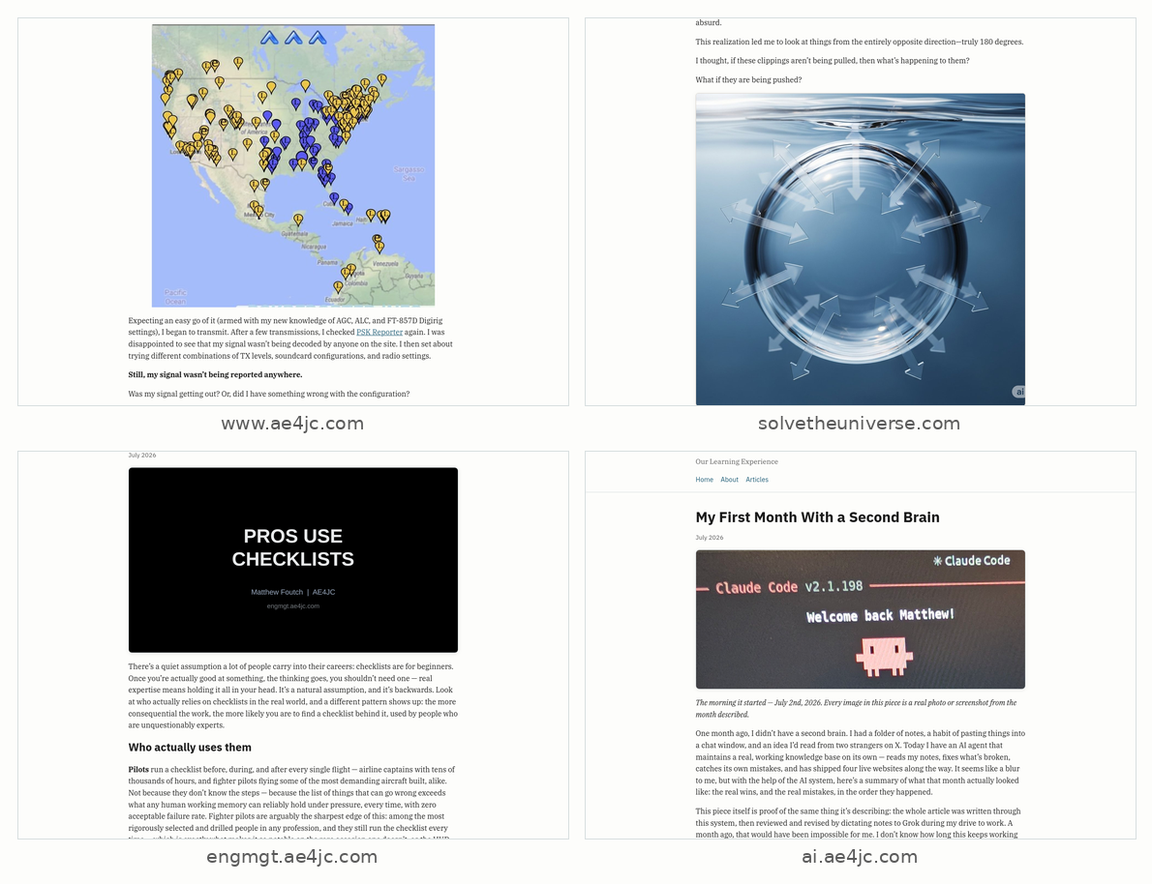
The four sites as they actually look today — a propagation map, a physics illustration, a checklist article, and this piece.
Real cost: $192.48 a month. Real income so far: six cents. That gap hasn’t closed at all. I’m not going to pretend it has. It’s still a hobby project for me.
This is Month 1. I’m planning to do this again next month, and the month after that — same honesty about what actually happened, wins and mistakes both, not just the parts that look good.
What I’d tell someone starting this today
This isn’t for everybody. I thought it was, at first. It isn’t. There’s a lot of real technical work required, and you genuinely have to weigh whether it’s going to benefit you enough to be worth that.
The real risks deserve to be said up front, not buried at the end. You can do real damage with an AI system that isn’t handled carefully. There’s a question that never fully goes away: am I doing this right? The posture I’ve tried to hold onto throughout is a heavy security mindset applied to every decision — am I vulnerable? Maybe. Have I run as many checks as I reasonably can to bring that risk down? Yes. Have I done my absolute best in putting this together? Yes. So, there you go. No regrets.
The effort is real. This can easily turn into a second full-time job if you let it. Don’t quit your actual day job over this. Keep your real responsibilities first, and go into it with a sane mind — it’s very easy to throw yourself into something like this completely and lose the thread of everything else.
Big caution: AI will flat-out lie to you, and double down. Last year, before any of this vault existed, I hit a serious incident where Grok gave me bad information I’d trusted — a real adversarial case. That was a big enough lesson that I seriously considered scrapping the whole project right there. I didn’t. But I don’t think you’re taking this seriously enough if you haven’t planned for that happening to you too.
If there’s a core theme for anyone starting this, it’s security, trust, risk, risk management, and knowing your own real tolerance for risk. How much do you actually have to lose, and how much do you actually have to gain? In a lot of ways, it’s a lot like the stock market — it is what you make of it.
It’s an interesting time to be alive. I wish you all the best. I hope this helps.
One last practical note: I’ve also started running everything through Grammarly for a grammar check on top of everything else — but it isn’t a native app everywhere. X articles, for instance: I’ve had to copy and paste this back and forth for the X platform, which wastes time and adds real risk of quality errors. A lot of the tools in this stack genuinely don’t talk to each other very well — that’s one of the real, ongoing practical limitations of building this way. But the flip side is real too: the lack of tight integration between tools is also a security feature. A smaller blast radius if any one piece goes wrong. I’ve learned a great deal this month about security, passwords, and blast radii specifically — and there’s still a lot more to learn, and a lot more still to do.
God bless you, and 73 — that’s ham radio for “best regards to you and yours.”
If this helps you, check out my adblob to support the work.
Verify you're not a bot to load comments: